Landed Cost for Imported Snacks: From Carton to Shelf Price
A practical walk-through of landed cost for imported snacks, starting from real carton data and ending with a shelf price you can defend to your finance team.
Read more
Healthy Snacking
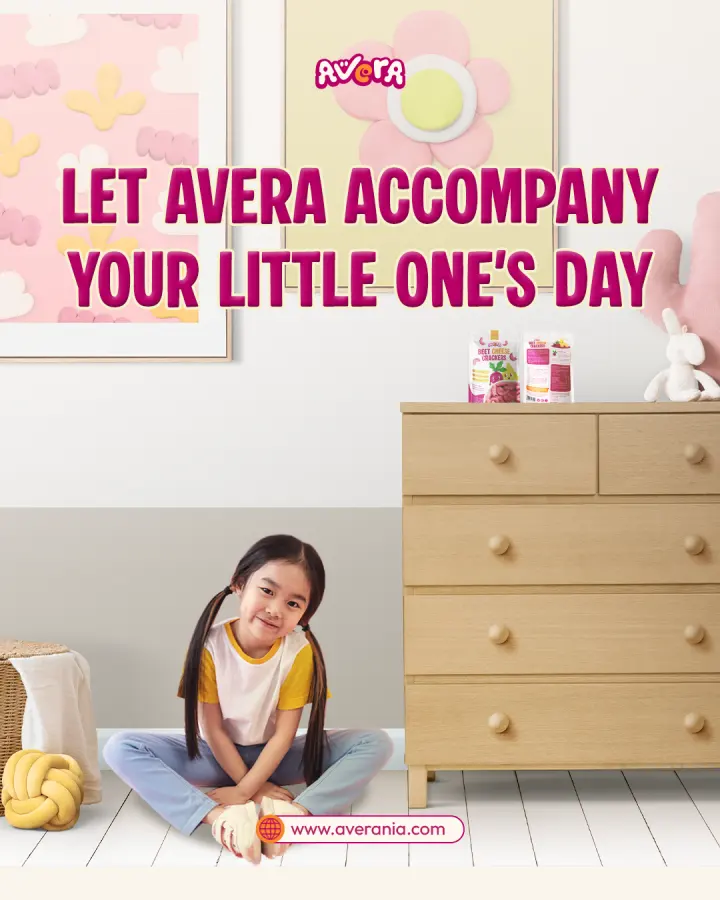
If you have a child who eats exactly four things and treats a new vegetable like a suspicious parcel, you are in very good company. Most parents go through a stretch of this, and it can wear you down. The good news is that finding good snacks for picky eaters is less about clever recipes and more about a calm, steady approach, and snack time happens to be one of the easiest places to practise it.
Dinner carries a lot of weight. Everyone is tired, there is a plate to finish and often an audience. A snack is different: small, quick, often eaten on the sofa or at the kitchen counter. That lower pressure is exactly what a cautious eater needs. This guide covers why children get selective, how to introduce new foods without a battle, and how colour and texture can do some of the gentle persuading for you.
Selective eating is a common and usually normal stage, particularly in toddlers and young children. Many children become wary of unfamiliar foods around the time they start moving about independently, and it is widely thought that this caution once helped little ones avoid eating something harmful. Appetites also naturally slow down after the rapid growth of infancy, so a child who seemed to eat everything at one may suddenly seem to eat nothing at three.
Texture plays a big part too. Some children dislike foods that are slimy, mixed or unpredictable, and prefer things that look and feel the same every time. That is one reason plain crackers, bread and pasta so often become favourites: they are reliable. Understanding this helps. Your child is not being difficult on purpose; they are seeking something that feels safe.
The most useful idea many parents find is a simple split of jobs. You decide what is offered, when and where. Your child decides whether to eat it and how much. Once you stop trying to control the second part, a lot of tension tends to drain away, for both of you.
Put one food your child already likes on the plate next to anything new. If they eat only the familiar food, that is fine. They are still seeing, smelling and sitting near the new one, and that exposure counts. A child who knows there will always be something they can eat is far more relaxed about what else is there.
A whole slice of mango can look like a challenge. A single small piece looks like an option. Offer a taste-sized amount and let your child ask for more. Small portions also mean less waste and less disappointment for you when it goes untouched.
Children often need to meet a food many times before they accept it, and the number varies a great deal from child to child. Touching it, licking it, or spitting it out are all steps forward, not failures. Try to offer the same new food again a few days later, without comment, rather than giving up after one refusal.
Instead of "Just try one bite", try "This one is really crunchy" or "What colour do you think it is inside?" Describing how food looks, sounds and feels invites curiosity. Praising or pushing the act of eating can make a cautious child feel watched.
One of the kindest ways to widen a narrow menu is to build bridges from foods your child already trusts to foods that are a small step away. Colour and texture are your best tools here.
If your child loves crunchy, savoury crackers, the next step might be another crunchy food with a different colour, such as cucumber rounds, apple slices or lightly roasted chickpeas for older children. If they like cheese, a familiar cheese snack can sit beside a new fruit or vegetable so the plate feels partly known. Each bridge keeps one thing the same and changes one thing.
Colour can turn snack time into a game rather than a test. A few ideas families enjoy:
Colour is also a useful clue when you read a pack. A brightly coloured snack can come from fruit and vegetables, or from synthetic dyes. If colour is part of how you encourage your child, it is worth checking the ingredients to see where it comes from.
These are simple combinations that pair a likely favourite with a small new step. Adjust them to your child's age and what they already accept.
| Familiar food | Small new step | Why it works |
|---|---|---|
| Cheese crackers | Thin cucumber slices | Both crisp and mild; only the colour changes |
| Plain yoghurt | A spoonful of mashed berries swirled in | Same texture, new colour and taste |
| Banana | A few pieces of soft pear | Similar sweetness and softness |
| Toast fingers | A thin spread of hummus | Known base, tiny amount of something new |
A word on safety: crunchy and firm foods should be offered in age-appropriate sizes and shapes, and young children should always be supervised and seated while they eat. If your child has a known or suspected allergy, or a condition such as coeliac disease, follow your doctor's or paediatrician's advice about which foods are suitable.
Most of us have tried these at some point, usually out of love and exhaustion. They are worth gently letting go of:
Picky eating is usually a phase, but it is worth speaking to your doctor or paediatrician if your child is losing weight or not growing as expected, eats a very small number of foods, often gags or chokes, seems distressed at mealtimes, or if the situation is causing serious worry at home. Asking for help is not a sign that you have done something wrong.
Progress with a cautious eater is slow and rarely in a straight line. A week where your child licks a strawberry and puts it down is a good week. Keep offering, keep it calm, and remember that you are building trust over years, not winning a single afternoon.
At AVERA, our crackers began in a home kitchen with exactly this kind of child in mind. AVERA Beet Cheese Crackers are soft-crispy, macaroni-shaped and made with natural cheese, fresh beetroot and gluten-free cassava flour, with their pink colour coming from beetroot rather than synthetic dyes. For some families they work well as a familiar, colourful safe food beside something new. You can see the full ingredients and flavour variants on our products page, read more about why we started, or browse our other guides for families.
Good options usually pair a food your child already likes, such as crackers, cheese, yoghurt or banana, with a small taste of something new. Mild flavours and predictable textures tend to feel safer for cautious eaters. Offer age-appropriate sizes and supervise young children, especially with crunchy foods.
Children often need many calm exposures before accepting a new food, and the number varies widely. Seeing, touching and smelling the food all count as progress. Keep offering small amounts every few days without pressure rather than giving up after one refusal.
Speak to your doctor or paediatrician if your child is losing weight, not growing as expected, eats only a very small range of foods, often gags or chokes, or seems distressed at mealtimes. They can check whether anything else is going on and suggest support. In many cases picky eating is a normal phase that eases over time.
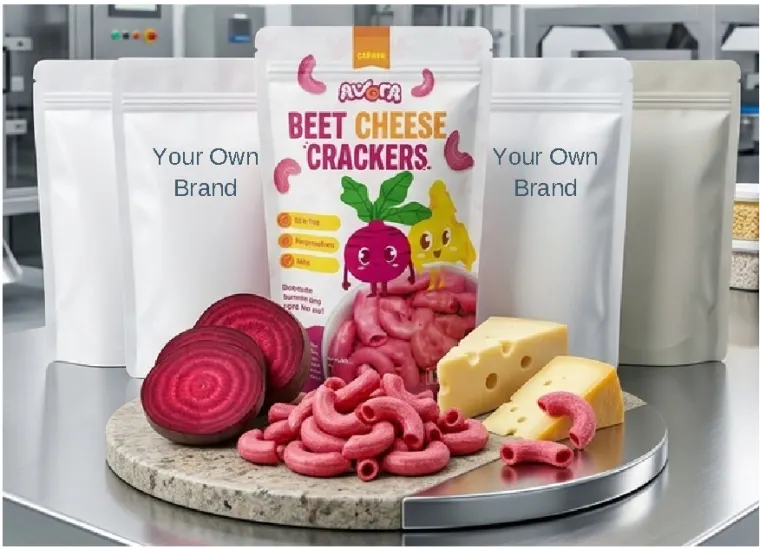
A practical walk-through of landed cost for imported snacks, starting from real carton data and ending with a shelf price you can defend to your finance team.
Read more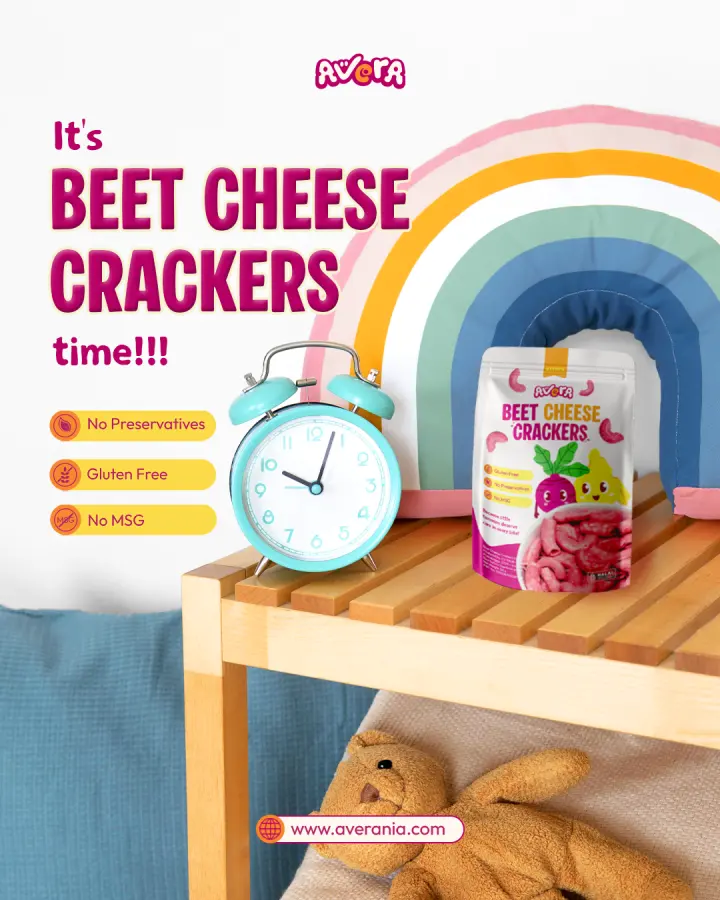
Some children need to avoid gluten completely, and many families simply prefer to eat less of it. Here is how to tell the difference, read labels with confidence and choose snacks without worry or guilt.
Read more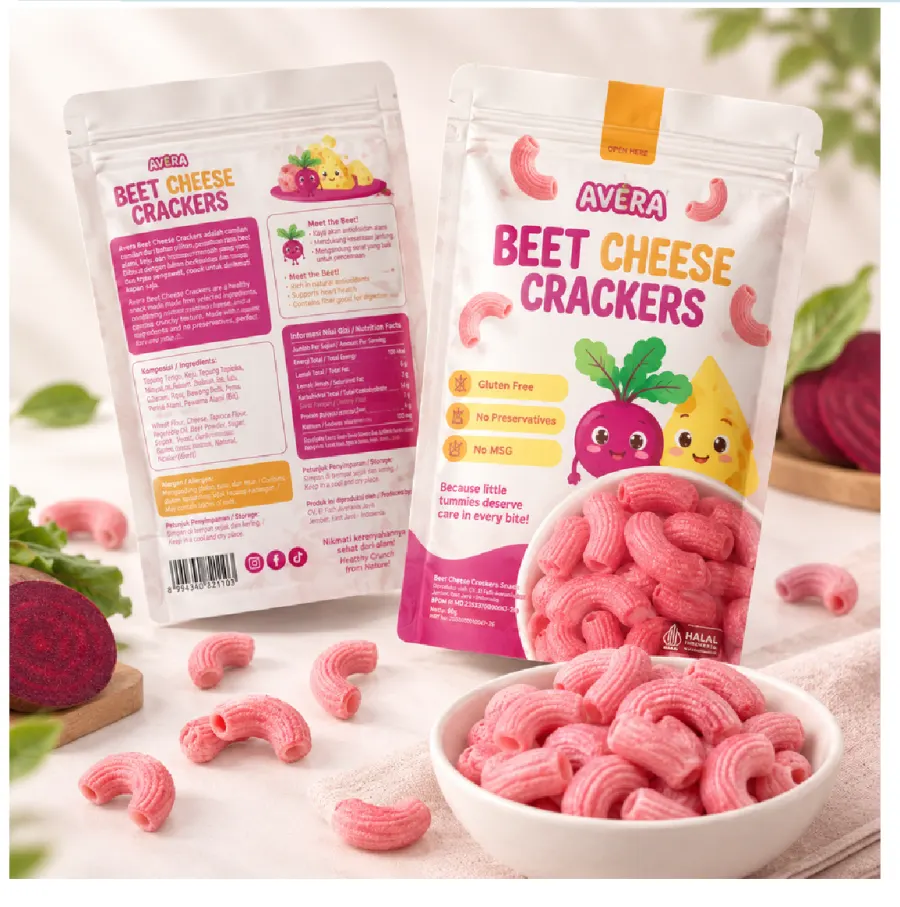
A buyer's guide to the three-layer PET/ALU/LLDPE pouch: what each layer does, why it matters for a preservative-free fried snack, and what it changes for shipping, storage and private-label planning.
Read more