Landed Cost for Imported Snacks: From Carton to Shelf Price
A practical walk-through of landed cost for imported snacks, starting from real carton data and ending with a shelf price you can defend to your finance team.
Read more
Healthy Snacking
If you have found yourself standing in the snack aisle wondering whether you should be buying gluten free snacks for kids, you are not alone. The label is everywhere now, often printed in large letters, and it is easy to come away with the feeling that gluten must be something to avoid. For some children it absolutely is. For many others, it is a matter of preference, variety or simply what suits the family.
This guide is here to help you tell those two situations apart, calmly and without guilt. Neither choice makes you a better or worse parent. What matters is knowing why you are choosing what you choose, and what to look for once you have decided.
Gluten is a group of proteins found in wheat, barley and rye, and in foods made from them. It is what gives bread its stretch and many baked goods their structure. In children's snacks it often appears in obvious places such as biscuits, crackers, wafers and pretzels, but also in less obvious ones: coatings, seasonings, malt flavouring and some sauces.
Oats are a special case. They do not naturally contain gluten in the same way, but they are often grown and processed alongside wheat, so cross-contact is common unless the oats are specifically labelled gluten-free. If your child must avoid gluten strictly, your doctor or dietitian can advise whether oats suit them.
There are a few situations where avoiding gluten is not a lifestyle choice but a medical necessity. In each of them, the most important step is a proper diagnosis and ongoing guidance from your doctor or paediatrician, rather than changes made at home on guesswork.
Coeliac disease is an autoimmune condition in which gluten triggers a reaction that affects the small intestine. Children with coeliac disease need to avoid gluten completely and consistently, and even small amounts from cross-contact can matter. Symptoms in children vary widely, which is one reason diagnosis should always be done by a doctor. It is generally advised not to remove gluten before testing, as doing so can affect the results.
A wheat allergy is different from coeliac disease. It is an allergic reaction to proteins in wheat, and the advice for managing it, including what to keep on hand, should come from your child's doctor or allergist. Gluten-free foods are often wheat-free too, but not always, so families managing a wheat allergy still need to read every ingredient list.
Some people experience symptoms linked to gluten without having coeliac disease or a wheat allergy. This area is still being understood, and it is worth working through it with a professional rather than cutting foods out broadly, especially for a growing child whose overall diet matters a great deal.
Plenty of families buy gluten-free snacks without any medical reason, and that is fine. Some common, sensible reasons:
What a choice does not need is pressure. If gluten causes your child no trouble, there is no need to treat wheat-based foods as a problem. Whole grains containing gluten can be part of a balanced, varied diet for most children.
This is the honest part that marketing sometimes skips. Taking gluten out of a recipe tells you only that gluten is not there. It says nothing about how much sugar, salt or fat the snack contains, or whether it is made with additives you would rather avoid.
Some gluten-free products use extra sugar, starch or texturising agents to make up for what gluten normally does. Others are made simply, from a short list of recognisable ingredients. The words on the front of the pack cannot tell you which is which. The ingredient list on the back can.
Gluten-free products can also cost more. If you are buying them by choice, it is reasonable to weigh whether the price is worth it for your family, and to mix them with other good snacks such as fruit, yoghurt or vegetables rather than relying on one type of packet.
Whether you need gluten-free or simply prefer it, a few habits make shopping easier:
| Your situation | What matters most |
|---|---|
| Child diagnosed with coeliac disease | Strict avoidance, cross-contact information and your doctor's or dietitian's guidance |
| Child with a wheat allergy | Full ingredient and allergen checks, following your allergist's plan |
| Suspected sensitivity, not yet diagnosed | Speak to your paediatrician before removing gluten |
| No medical need, family preference | Short ingredient list, sensible sugar and salt, and overall variety |
Many gluten-free snacks are crackers, puffs and crisps, which children love for their crunch. For toddlers and young children, offer them sitting down and with an adult nearby, in portions that suit their age. Smaller pieces and a drink on hand help, and it is wise to avoid snacking while running around or in a moving car seat where you cannot keep an eye on them.
If your child must avoid gluten, events can feel stressful. Packing a small bag of their own trusted snacks means they always have something to enjoy, and a quiet word with the host goes a long way. If gluten-free is simply your preference, there is no need to police every plate. An afternoon at a grandparent's house with an ordinary biscuit is part of childhood, and a relaxed attitude to food tends to serve children well in the long run.
For more practical reading on snacks and family routines, you can browse all our articles in the guides section.
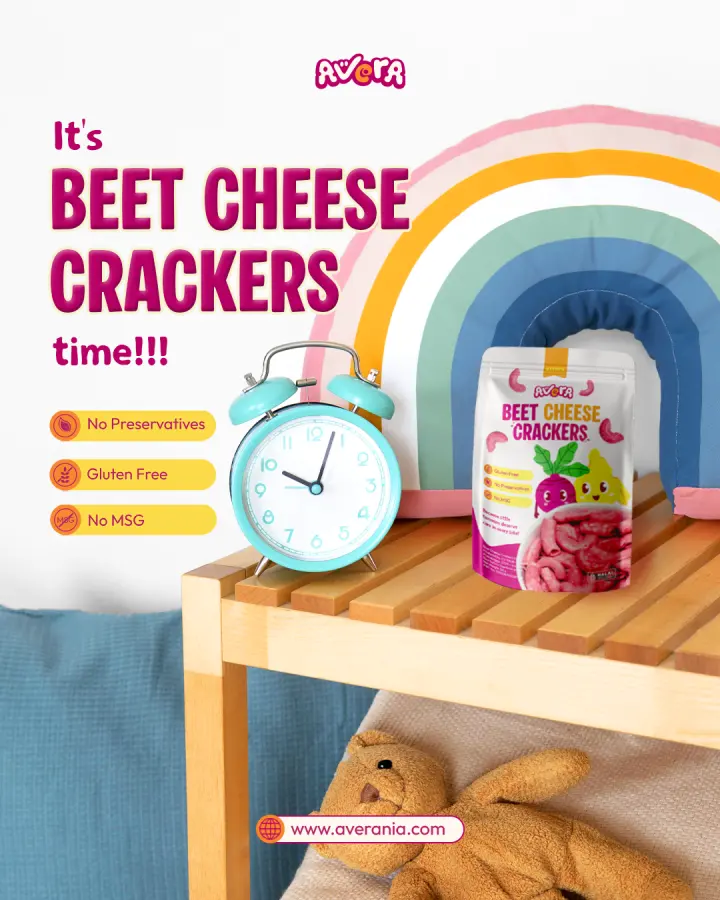
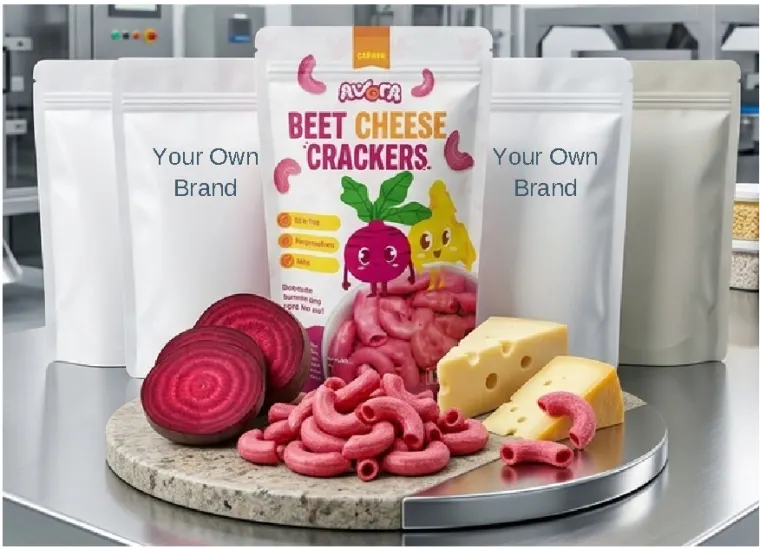
AVERA Beet Cheese Crackers are gluten-free, made with gluten-free cassava flour, natural cheese and fresh beetroot, and fried in pure coconut oil, with no preservatives, synthetic colours, artificial sweeteners, MSG or artificial texturisers. They do contain cheese, so they are not suitable for children who must avoid milk. If your child has coeliac disease or a food allergy, please follow your doctor's advice and feel free to get in touch with us with any questions about how the crackers are made. You can see the full ingredients and specifications on our product page.
Not automatically. A gluten-free label only tells you that gluten is absent, not how much sugar, salt or fat a snack contains or what additives it uses. For children without a medical need, the ingredient list and overall variety in their diet matter more than the gluten-free claim.
It is best to speak to your doctor or paediatrician first. Removing gluten before testing can affect the results of coeliac disease tests, and a professional can help work out whether gluten is really the cause. Changing a growing child's diet is safest with proper guidance.
No. Gluten-free foods are often wheat-free, but not always, and they can still contain other allergens such as milk, egg, nuts or soy. If your child has a wheat allergy or any food allergy, read the full ingredient and allergen information every time and follow your doctor's or allergist's advice.
A practical walk-through of landed cost for imported snacks, starting from real carton data and ending with a shelf price you can defend to your finance team.
Read more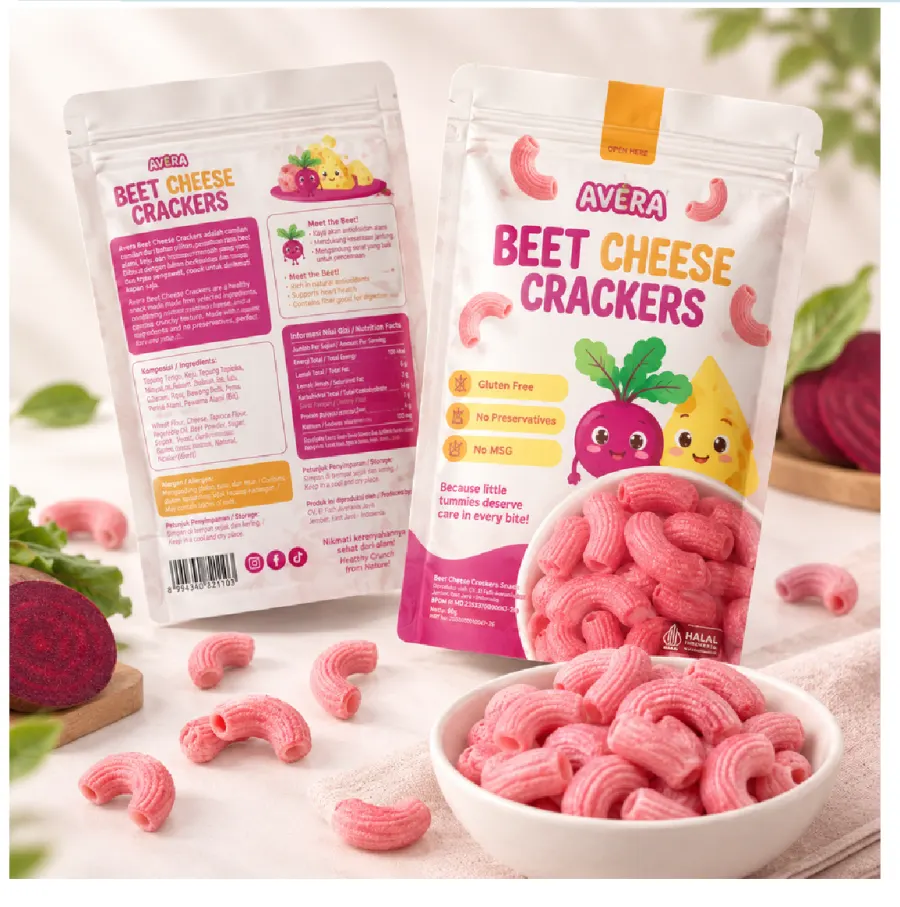
A buyer's guide to the three-layer PET/ALU/LLDPE pouch: what each layer does, why it matters for a preservative-free fried snack, and what it changes for shipping, storage and private-label planning.
Read more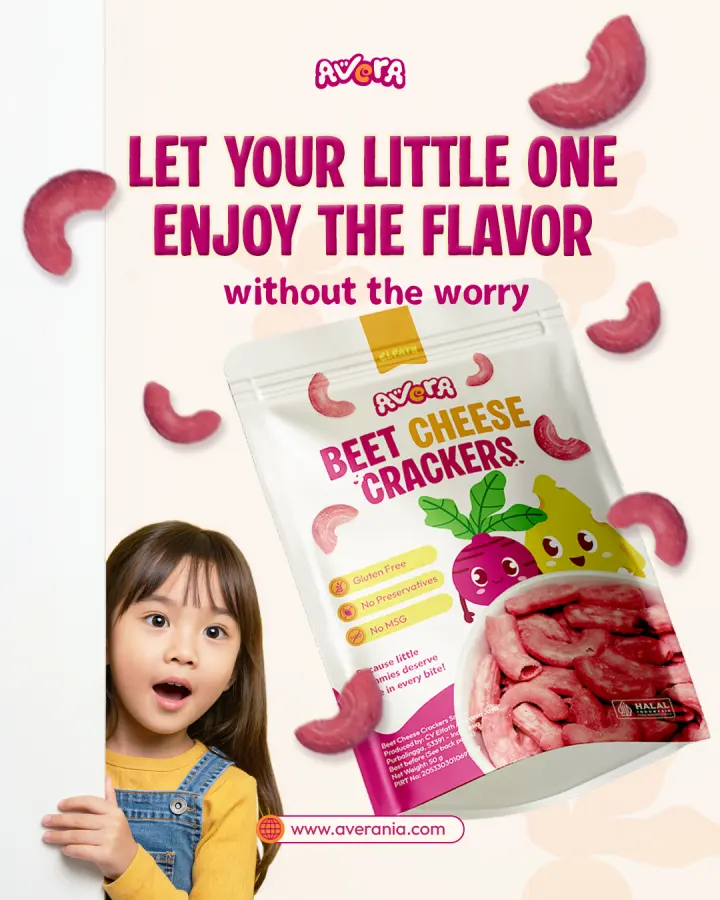
Bright snacks are not automatically a problem, and natural colours are not automatically perfect. Here is a calm, honest look at synthetic and natural food colours, and how to read the label in the shop.
Read more