Landed Cost for Imported Snacks: From Carton to Shelf Price
A practical walk-through of landed cost for imported snacks, starting from real carton data and ending with a shelf price you can defend to your finance team.
Read more
Healthy Snacking
Most parents know the moment. The school gate opens, a bag lands at your feet, and before you have said hello you hear it: I'm starving. Somewhere between that and dinner lies the most fragile stretch of the family day. Good after school snacks for kids are less about finding a perfect food and more about building a small, predictable routine that gets everyone through those hours calmly.
This guide is about that routine: when to offer food, how much, what to pair, and how to keep dinner worth sitting down for. None of it needs a special kitchen or a spare hour. It just needs a little planning the night before and a willingness to keep things simple.
Children often eat lunch early, sometimes in a hurry, and sometimes not much of it. By mid-afternoon they have been concentrating, sitting still, running around at break and holding in a fair amount of feeling. Hunger and tiredness arrive together, and to a child they can feel like the same thing.
That is why a snack at pick-up tends to change the mood so quickly. It is not only fuel. It is a signal that the demanding part of the day is over and someone is looking after them. Knowing this can take the pressure off you. The goal is not a flawless plate; it is a calm landing.
The most useful rule many families find is a simple one: offer the snack soon after school, then close the kitchen. If school finishes mid-afternoon and dinner is a few hours later, a snack within the first half hour or so usually leaves enough time for appetite to return by the evening meal.
Problems tend to start when snacking drifts. A handful here, a biscuit there, something else while homework drags on, and by dinner nobody is hungry. A single, deliberate snack time is easier for children to understand than a rolling buffet, and easier for you to hold to.
Children's appetites change from day to day, and a growing child can surprise you. A helpful way to think about portion is a snack, not a meal: roughly what fits in your child's cupped hands, plus a drink. Let them ask for a little more if they are genuinely hungry, and trust that dinner will follow.
Serving into a small bowl or plate, rather than handing over a whole pack or box, makes a real difference. It gives a natural end point and avoids the absent-minded eating that happens in front of a screen.
A snack that is only quick carbohydrate can vanish in minutes and leave a child hungry again soon after. As general guidance, combining two kinds of food tends to be more satisfying: something with a bit of protein or fat, and something fresh with fibre. You do not need to measure anything. Just aim for two parts.
| Something filling | Something fresh |
|---|---|
| Cheese cubes or a cheese cracker | Apple slices, or grapes halved for little ones |
| Plain yoghurt | Banana or berries |
| Boiled egg | Cucumber or carrot sticks |
| Hummus, or nut butter if your family eats nuts | Pepper strips or pear |
| Leftover rice or noodles from yesterday | A few cherry tomatoes, quartered |
Let your child choose one from each column. Offering a small choice within limits you are happy with often heads off the negotiation before it begins.
Weekday afternoons are rarely the time for decisions. Many parents find it helps to set aside one low shelf in the cupboard and one corner of the fridge for after-school food. Fill it at the weekend or the night before, and everything on it is a yes.
Older children can serve themselves, which gives them some independence and saves you a job. For younger children, you choose the snack and they choose how much of it they eat.
Packaged snacks are part of real family life, and there is no need to feel guilty about using them. When you do, a quick look at the ingredient list is worth ten seconds. A shorter list of recognisable ingredients is generally a good sign. You might also check whether colour comes from food rather than synthetic dyes, and whether the flavour leans on flavour enhancers.
If your child has an allergy, coeliac disease or another medical condition, check every label carefully and follow your doctor's or paediatrician's advice about what is suitable.
The after-school snack is often eaten in a rush, in the car or while doing something else. For young children, try to make sure they are sitting down and supervised while they eat. Cut round foods such as grapes and cherry tomatoes lengthways, and offer crunchy foods in small, age-appropriate portions. Eating while running about or lying down raises the risk of choking, so a short pause to sit and eat is worth building into the routine.
Something quietly useful happens when you sit with your child for those ten minutes. Many children say very little when first asked how school was, but over a bowl of something they like, the day starts to come out: who sat where, what was unfair, what was funny. The snack gives you both a reason to stop.
It does not have to be every day, and it does not have to be at the table. A few minutes on the doorstep or in the car counts.
Some days will go off plan. That is normal. The routine matters far more than any single afternoon.
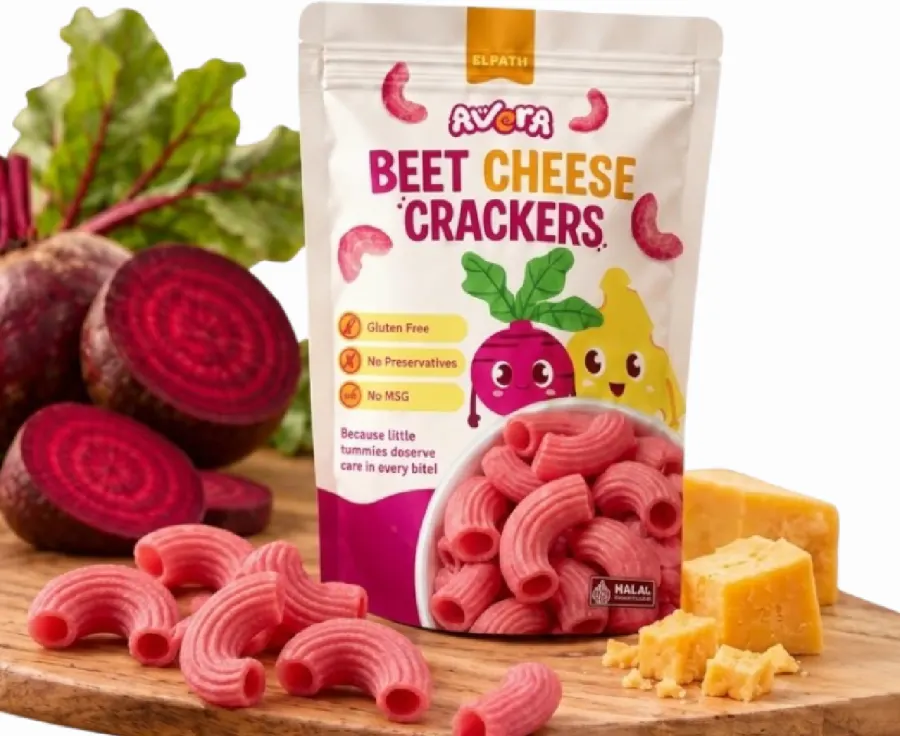
AVERA began in a home kitchen because we wanted a savoury snack we felt comfortable giving children. Our Beet Cheese Crackers are made with natural cheese, fresh beetroot and gluten-free cassava flour, fried in coconut oil, with no preservatives, synthetic colours or MSG, and they sit easily alongside a piece of fruit in the after-school slot. You can see the full ingredients on our product page, read about why we started, or find more family snacking ideas in our guides.
Many families find it works best to offer the snack within about half an hour of pick-up and then not offer more food until dinner. This usually leaves enough time for appetite to come back by the evening meal. If dinner is late or there is an activity, a slightly larger snack or a small second one is reasonable.
Keep to one planned snack time rather than letting snacking drift through the afternoon, and serve it in a small bowl instead of handing over a whole pack. Pairing something filling with something fresh tends to satisfy without being a full meal. Children's appetites vary, so the occasional smaller dinner is nothing to worry about.
Crunchy snacks can be part of a young child's diet if they are offered in small, age-appropriate portions and the child is sitting down and supervised while eating. Avoid eating in a rush, while running about or lying down. If your child has any swallowing difficulty, allergy or medical condition, follow your paediatrician's advice.
A practical walk-through of landed cost for imported snacks, starting from real carton data and ending with a shelf price you can defend to your finance team.
Read more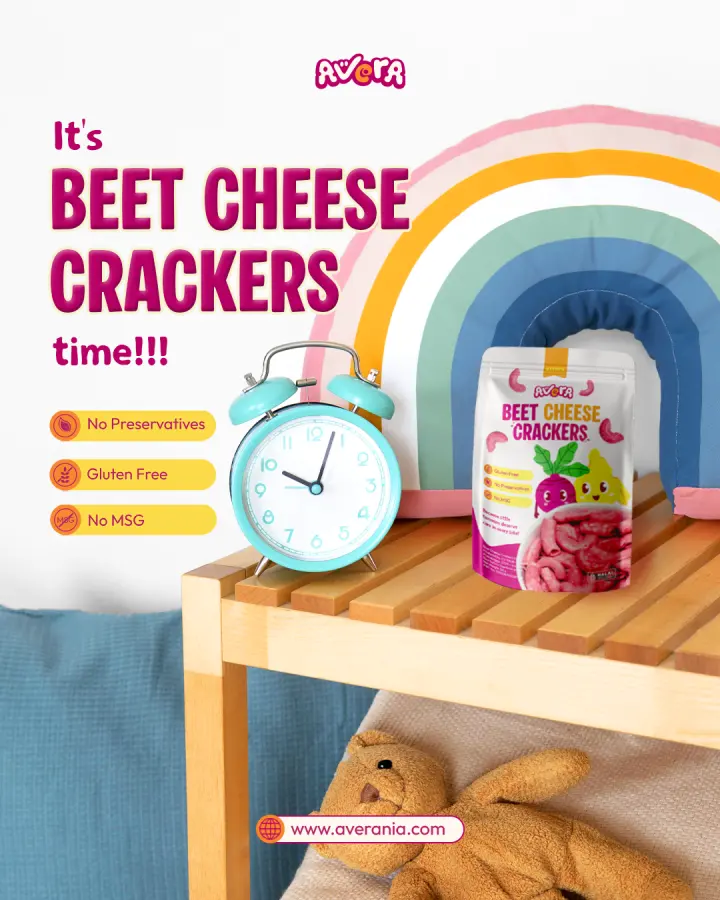
Some children need to avoid gluten completely, and many families simply prefer to eat less of it. Here is how to tell the difference, read labels with confidence and choose snacks without worry or guilt.
Read more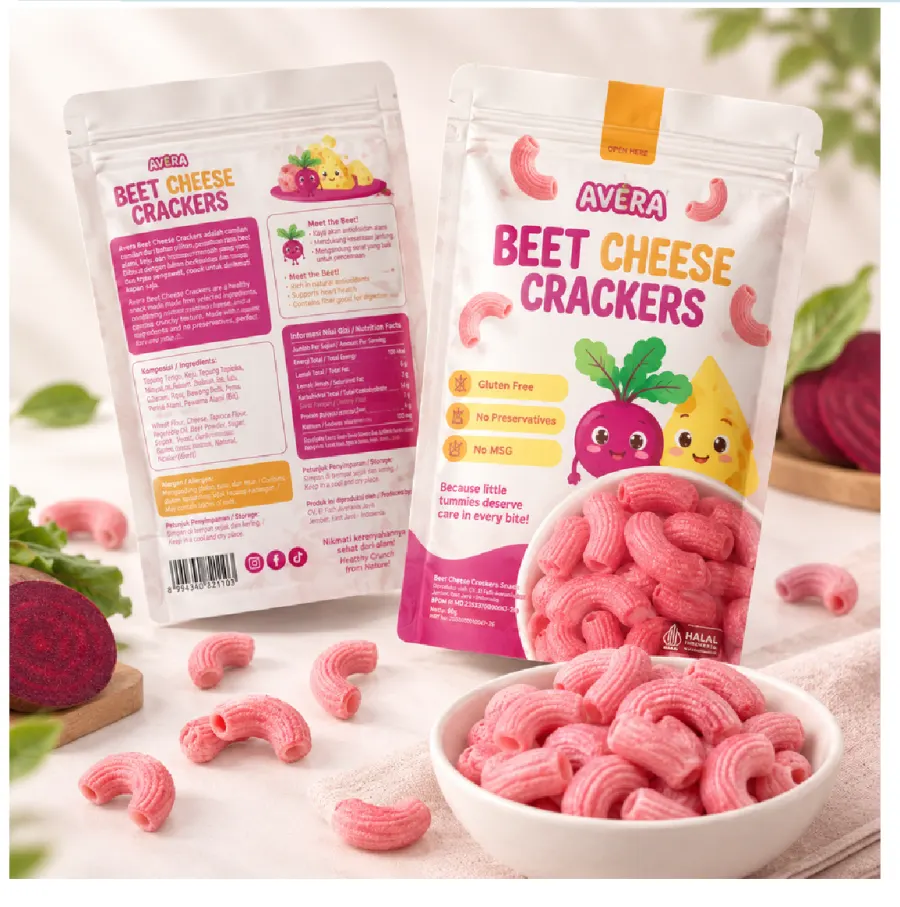
A buyer's guide to the three-layer PET/ALU/LLDPE pouch: what each layer does, why it matters for a preservative-free fried snack, and what it changes for shipping, storage and private-label planning.
Read more